
A career reboot at 40, a penny a word, 400 books and a deep dive into author marketing later …
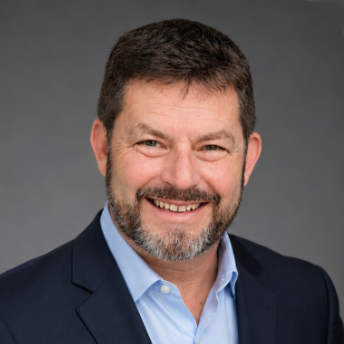
How I got here
I didn’t plan to spend seventeen years in publishing. I was 40, a real estate broker in Florida when the bubble burst in 2008, and I needed a new path. My father suggested writing. I’d written all my life, and I loved books as much as my mother did — she always had one with her, even squeezing in a page at stoplights. I majored in English at the University of Florida, but my love of reading started long before that, from MAD Magazine as a kid to the novels I borrowed from my parents' book shelves.
So I started ghostwriting on Elance (now Upwork), on every subject imaginable, mostly for experts who wanted the credibility of authorship without the time to write. I loved it. Before long I was working nearly full-time for a small Australian publisher, running their writing department and overseeing writing, editing, design and production. I learned quickly that what mattered wasn’t just putting words on a page — it was making a book that actually worked: professionally formatted, with a cover that stopped people, and made with real care.
My clients’ trust was sacred, and the work mattered to me, too. I wanted to understand distribution beyond Amazon and every format a book could take. Over the years I watched what the most successful indie authors did, and learned from partners and colleagues across every kind of publishing.
I still love doing all of it. And over seventeen years, across four hundred books and virtually every genre you can name, that care turned into a methodology.
My first book on publishing, The Modern Author, was never meant to be the end of the story. It was meant to give new authors what they need today: a way to take advantage of a world of opportunities while protecting themselves in an industry that can be confusing, yet deeply rewarding. It killed me to see excited debut authors discouraged by shifting definitions of words like “bestseller,” “publisher,” even “writing.” The Modern Author was meant to show how many more possibilities there are than the narrow paths some authors were being pigeonholed into — and to start them on a path to satisfaction, success, and a love of writing that lasts.
Since then, through constant trial and testing, that thinking has grown into a holistic approach to publishing, with the author at the center, not the publisher. It’s built so that every launch gets easier, while leaving room for the occasional “Lightning Strike.”
I started when the Kindle was barely two years old, not long after Amazon set off a wave of creative disruption, and I’ve watched the industry transform ever since. The best news? Your success as an author is no longer at the mercy of the Big Five. Today, it’s a craft you can learn, powered by passion.
Today I work with a small number of clients at any given time — both experienced authors who've been underserved by the publishing industry and serious debut authors who want to do this right, the first time. The practice runs on The Modern Author Method™ — Production, Platform and Promotion — and I work from Florida, where most of my best thinking still happens within earshot of the ocean.
Who knows — maybe we’ll get to work together soon. Either way, protect your love of writing. Learn or delegate what you don’t yet know or don’t want to do. And know this — the world is better for your sharing.
I believe you should be Read, Recommended, and Remembered.
I believe an author’s greatest asset is a love of writing — and it should be ruthlessly protected. Every strategy I build is meant to protect it.
I believe independent publishing is not a consolation prize. It's a choice — and for most authors, it's the better one. You keep your rights, your royalties, and your creative control. You build a relationship directly with your readers. You own the asset.
I believe a book without reviews isn't finished — it's just printed. Getting a book into the world is one thing. Getting it into the hands of readers who will tell other readers about it is something else entirely, and it requires a plan.
I believe the authors who succeed long-term are not necessarily the most talented. They're the most consistent. They build their platform steadily, they keep writing, and they treat every reader as someone whose trust is worth earning.
And I believe this work should be enjoyable. If we're not having fun, we won't work together long — and that's a feature, not a bug.


Ready to build your author career?
Every engagement begins with a free assessment or a conversation. There's no obligation — just an honest look at where you are and what the right next step might be.